
Initiatory Structure
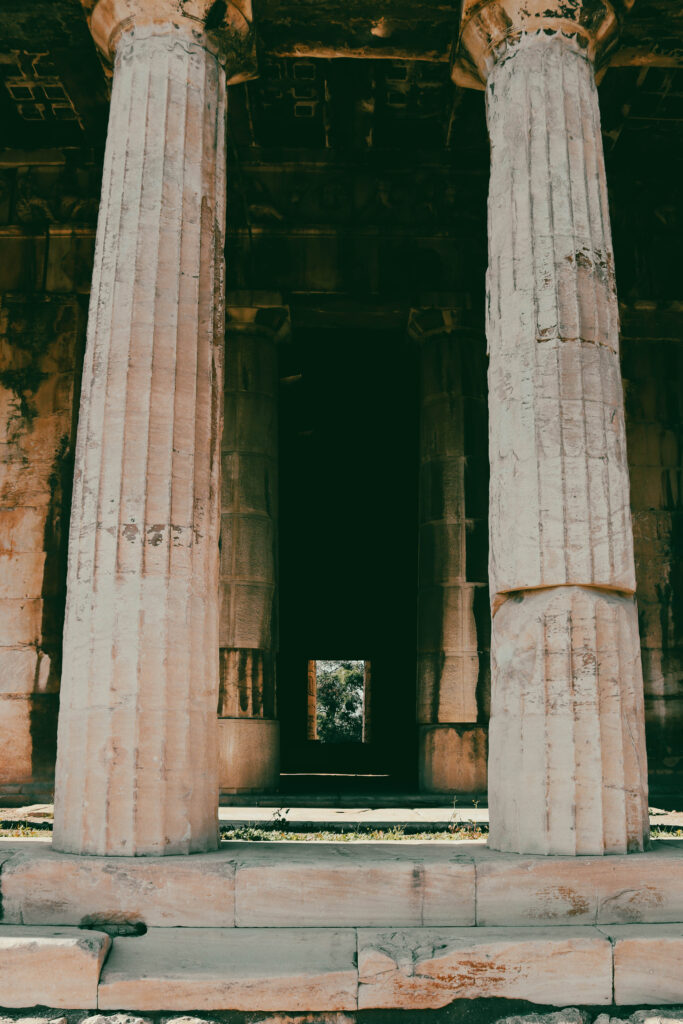
The initiatory system of the Ordo Astrum Sophiae is arranged into three Halls. This structure is shared with all other Orders in our wider tradition, because the Halls correspond to its central spiritual pattern, the House of Sacrifice. They also map the personal spiritual unfolding of the individual magician, with each Hall representing a significant deepening of magical capacity and understanding.
It is important to understand that the mysteries associated with each Hall continue to unfold and deepen for the individual even after he or she has passed through them. They represent parts of a cohesive spiritual whole, and are never ‘left behind’.
The Astrum Sophiae does not conduct ‘remote’ initiations: all initiation ceremonies are conducted in person.
Probationer / Pronaos
The Probationer period simply allows an interested candidate to develop a sense of what the work of the tradition involves, and whether it is a good fit for them. After completing an application form, they are introduced to some elementary ritual practices and meditations, and expected to develop some reflection on them. After a period (no less than three months, though in some cases rather longer) they may be invited to take the First Hall initiation.
It is not our custom to ‘chase’ probationers, as individual commitment and persistence is necessary to succeed in our work. Nor do we expect perfection, and probationers are always welcome to pick up the work again at any time.
First Hall
Neophyte · Apprentice of the Great Work
Pillar of the Breath
In the First Hall initiation, the candidate is received into the Temple and a series of spiritual blessings is imparted, culminating in a powerful transmission by the initiator. This work is conducted on behalf of the candidate, and is given freely as a spiritual gift. Although entry into this grade confers membership, the new initiate is not yet bound to corporate involvement in the life of the Order.
Much of the work of the First Hall involves an unfolding of the transmissions given in the First Hall initiation, and development of the core magical skills relating to the Body of Light. These skills are essential for the Second Hall. Alongside this work, candidates undertake study of the Qabalah and the corpus of the tradition. Each Neophyte is given a mentor to help guide their practice.
Second Hall
Servitor of the Secret Flame
Pillar of the Body
Using the skills learned in the First Hall, the candidate takes a more active role in the Second Hall initiation. Through a series of powerful astral formulations, the initiator further awakens and energises the candidate’s Body of Light; the candidate is enfolded by the divine powers of the tradition. The initiate is bound more profoundly and lastingly to the current, and to the group mind of the Order.
In some senses, the Second Hall is the most ‘magical’ of the grades. It corresponds to Yetzirah, the world of formation, the pliant and ever-changing astral light which the magician must learn to shape, direct and understand. The major work of the Second Hall consists in the mastery of planetary magic. Development of certain profound theurgic techniques, integration of the powers of the Tree of Life, and greater involvement in group working open up to the initiate.
Together the First and Second Halls constitute the Lesser Mysteries.
Third Hall
Adeptus Minor · Priest of the Gnosis
Triune Superstructure
The Third Hall initiation, called the palingenesis, is the living jewel in the heart of the tradition. In truth, there is but one rite of the palingenesis, and its fulness cannot be disclosed in words alone. The candidate, having passed the path of the arrow, enters into the mystery of Tiphareth. The inner veils of the tradition are opened, and the candidate is drawn through death into new life. By profound alchemical transmission the new Adept is forged in the fire of the Living Sun, stood exultant on the cross of matter.
Yet this is not the peak of attainment. The Third Hall represents both a culmination and new beginning. Whereas we speak of the initiations of the First and Second Hall as fully transmissible, the Third Hall is fully attained only by the effort of the new adept. Works of the most profound high magic lay ahead: the lifeblood of the Greater Mysteries. Recognition of attainment, in the Rite of Ratification, confers the title Adeptus Plenus, or full adept. Although there are no further Halls in the Order’s plan, the Astrum Sophiae retains two mystical ‘inner’ degrees.
The Halls and the Gate Sephiroth
Those trained in the Hermetic Qabalah will discern a correspondence between the Three Halls and the three lower spheres of the Middle Pillar. These Sephiroth are sometimes called ‘gate sephiroth’, as they open up particular fundamental spiritual possibilities to us. That is a useful lens through which to view the Halls, though not the only useful one. It allows one to see, for instance, that the First Hall will involve building strong foundations in magical practice, or that the Third will involve that experience called ‘Knowledge and Conversation of the Holy Guardian Angel’. The totality of the work, however, involves all the Sephiroth, and the dynamic paths between them. How could any system adequate to the full human being be otherwise?
The Master of the House of the Caduceus has written some reflections on initiation at Eightfold.